

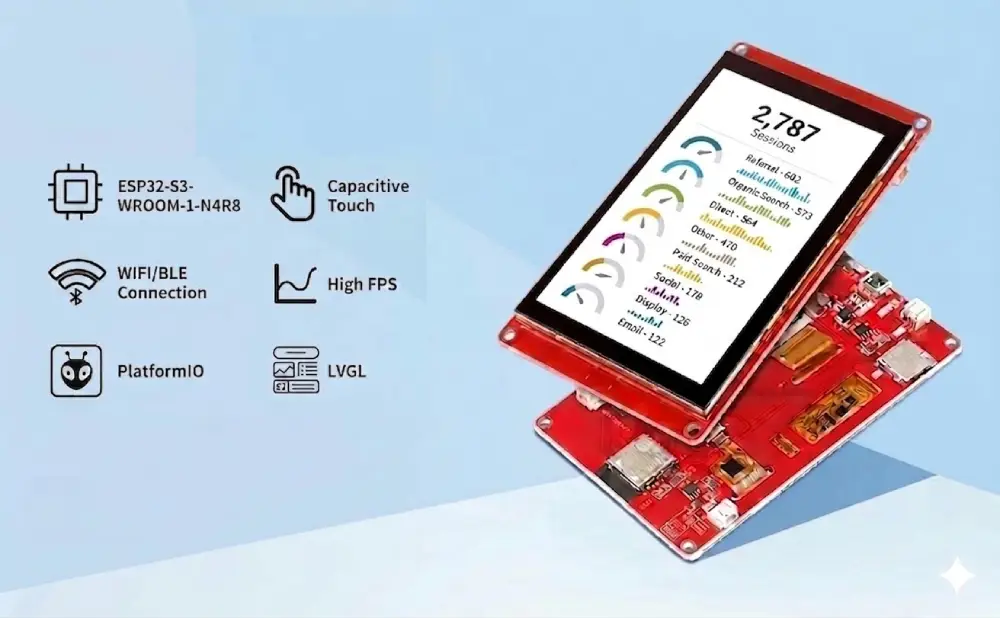
Developing a Portrait-Mode HMI on ESP32-S3 with LVGL
Designing modern Human-Machine Interfaces (HMIs) on embedded systems requires more than just UI creativity—it demands tight integration between software frameworks and hardware behavior. In this project, we developed a high-performance HMI controller using an ESP32-S3 and a 5-inch 480×800 display, leveraging LVGL and SquareLine Vision.
While the design phase was straightforward, deploying a portrait-oriented interface on real hardware introduced challenges that required deep system-level understanding and custom engineering solutions.
This HMI solution was built with a focus on performance, responsiveness, and industrial usability:
- Platform: ESP32-S3
- Display: 5-inch TFT (480×800)
- Graphics Framework: LVGL
- UI Design Tool: SquareLine Vision
- Development Environment: PlatformIO
The UI was visually designed in SquareLine Vision and exported into LVGL-compatible code, enabling a rapid transition from concept to firmware.
2026-04-05
The Complete Guide to Electronic Product Development
Every successful product begins with a clear idea and a real-world problem to solve. At this stage, the focus is on defining the product vision, identifying the target users, and assessing technical feasibility. Teams work to establish clear goals, determine essential features, and research similar products already on the market.
A feasibility study often includes evaluating available technologies, identifying potential risks, and even building early proof-of-concept prototypes. These early efforts help confirm whether the idea can be translated into a viable product before moving into detailed engineering.
2025-11-04
Building IoT Systems with AWS: A Complete Guide
Every successful IoT project begins with a clear problem statement. Before writing code or configuring cloud services, it’s essential to define the purpose of your IoT system.
Ask questions like: What devices will connect to the system? What data should they collect? How will the data be used to deliver value to users or businesses? Clear answers guide your architecture and help you select the right AWS services.
For example, a smart building system may focus on temperature, humidity, and occupancy data, while an industrial monitoring system might track vibration, energy consumption, or machine status.
2025-11-04
Edge IoT Device Development: A Complete Guide
Edge IoT devices are designed to process and analyze data locally instead of sending all raw data to the cloud. This approach enables faster decision-making, lowers bandwidth costs, and reduces dependency on constant internet connectivity.
Examples of edge IoT applications include industrial equipment monitoring, autonomous vehicles, smart cameras, and healthcare devices that require real-time response and high reliability.
2025-01-01
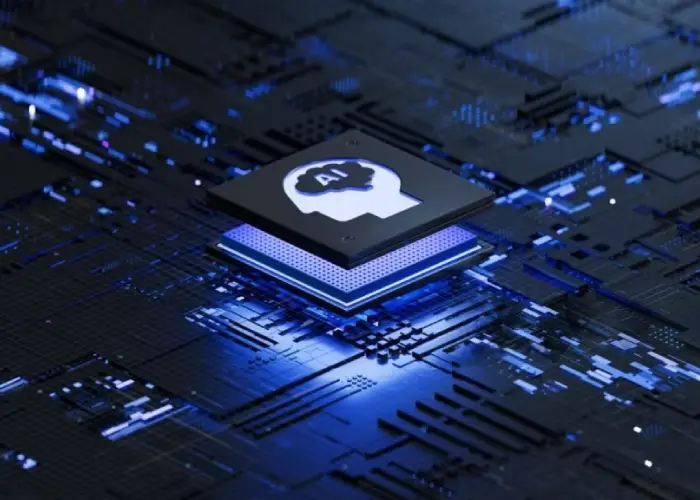
Hardware Solutions for Edge IoT Device Development
Edge IoT hardware is more than just a platform to connect sensors to the cloud. It handles local computation, data preprocessing, connectivity, and real-time decision-making.
Key roles of edge hardware include:
- Collecting and processing sensor data locally
- Running lightweight machine learning models or rule-based logic
- Managing communication with cloud or other devices
- Ensuring power efficiency for long-term deployment
The right hardware choice directly impacts performance, reliability, and overall cost of the system.
2025-01-01
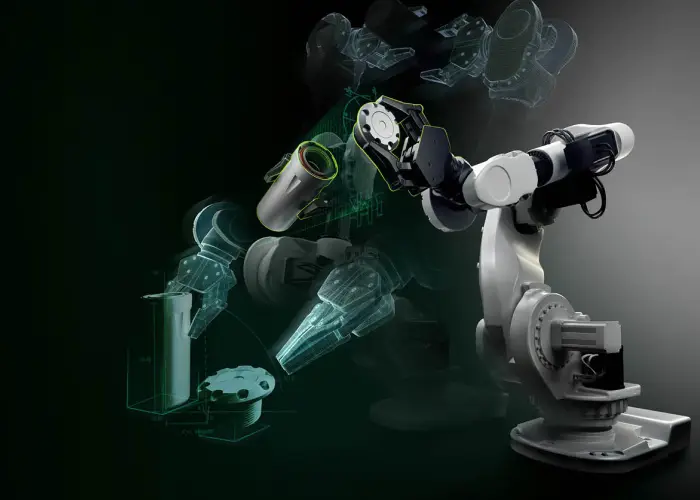
ROS2: The Ultimate Framework for Modern Robot Development
ROS2 is an open-source robotics framework that provides libraries, tools, and standards for building complex robot systems. It addresses limitations of ROS1 by offering:
- Real-Time Performance: Handles time-sensitive tasks reliably.
- Cross-Platform Support: Works on Linux, Windows, and macOS.
- Enhanced Security: Uses DDS middleware for secure, encrypted communication.
- Multi-Robot and Distributed Systems: Ideal for collaborative and large-scale robotics.
ROS2 allows developers to focus on innovation while the framework manages low-level integration and communication.
2025-01-01
